Sustainable Development
All Terrafame’s operations are based on sustainability and continuous improvement.
The key goals of sustainability activities are summarised in the company's sustainable development policy:
Environmental aspects
- Helping mitigate climate change with our customers by enhancing low-carbon electric mobility.
- Continuously reducing the direct and indirect climate impacts of Terrafame’s operations in line with the Paris Agreement’s target. The target is to achieve carbon neutrality in Terrafame’s operations (Scopes 1–2) by 2039.
- Continuously improving environmental performance and environmental risk management through activities that exceed regulatory requirements.
- Using natural resources sustainably by taking the impact of operations on the area’s special nature values and biodiversity into account from the planning stage, and by promoting the circular economy through the use of production side streams.
- We are comitted to closure of waste areas during the operation.
- Encouraging partners throughout the value chain to assess their environmental impacts and take measures to reduce their environmental load.
Social responsibility
- Active dialogue with various stakeholders in the spirit of mutual appreciation.
- Respect for employees’ human and labour rights.
- Active cooperation with local communities.
- Partners throughout the company’s value chain are expected to commit to respecting human and labour rights.
Corporate governance
- Commitment to always conducting business in an ethically sustainable manner.
- Commitment to corporate governance and due diligence throughout the value chain.
- Transparent communication related to the company’s operations, financial development and material sustainability matters.
- Everyone is encouraged to report potential misconduct to develop activities and strengthen compliance with the Code of Conduct.
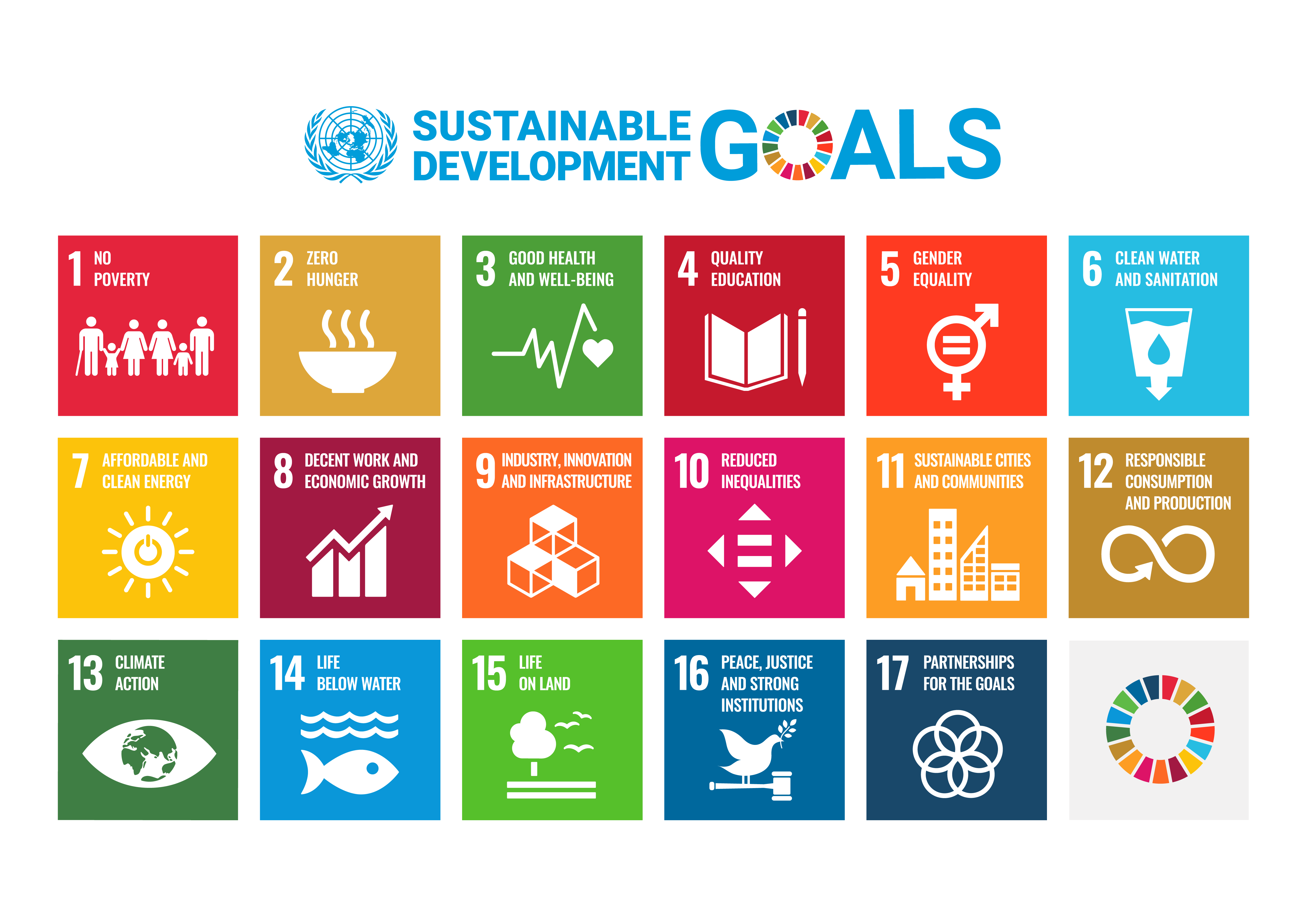
UN Sustainable Development Goals
Terrafame is committed to the UN Sustainable Development Goals that have the most direct link to the company’s operations.
The company’s business is most directly connected to SDG 13 Climate Action, SDG 9 Industry, Innovation and Infrastructure, and SDG 15 Life on Land.
Terrafame reports on its activities related to the SDGs as part of its annually published sustainability report.
Mitigating climate change is a core part of Terrafame’s business. The company produces battery chemicals needed for electric vehicle batteries, with a carbon footprint significantly lower than the industry average. Terrafame is actively contributing to building the European battery value chain and has set an ambitious target to achieve carbon neutrality in its own production (Scope 1–2) by 2039.
By supporting the electrification of transport, Terrafame advances SDG 13 by reducing the negative impact of greenhouse gas emissions.
Terrafame’s energy-efficient battery chemical production is part of sustainable industrialization. The company is a major regional employer with significant economic multiplier effects. Its battery chemicals have a substantially smaller carbon footprint compared to alternative production methods. Terrafame continues to aim for further reductions in greenhouse gas emissions from its own operations.
The company contributes to SDG 9 through its strong regional economic role.
Terrafame’s production activities are highly land-intensive, which affects biodiversity. However, the chosen production method is justified as it enables the utilization of metals present in low concentrations in ore and ensures a low carbon footprint for nickel sulfate used in batteries thanks to its energy efficiency.
Terrafame recognizes that converting land for production use is a permanent environmental change with negative impacts on nature. The company strives to mitigate biodiversity impacts from land use wherever possible.
Terrafame is also committed to supporting the following goals in its operations:
SDG 2 Zero Hunger: Ammonium sulfate, a by-product of battery chemical production, can be used as fertilizer to support sustainable agriculture, although volumes are small globally. Fertilizers may also increase eutrophication risk.
SDG 3 Good Health and Well-being: Terrafame invests beyond statutory requirements in occupational health and well-being, including preventive services, and prioritizes safety and health measures at its production site.
SDG 4 Quality Education: The company actively collaborates with educational institutions and offers apprenticeship programs for individuals with secondary education. Employees are supported in pursuing studies alongside work.
SDG 5 Gender Equality: Terrafame has adopted DEI principles. Equal pay for equal work is ensured, and recruitment decisions are gender-neutral. Impact is limited to the company’s own workforce.
SDG 6 Clean Water and Sanitation: Discharge volumes are significant, but operations comply with environmental permits and do not pose a risk of local water pollution. No untreated wastewater is released into nature. Well water near the site is monitored beyond permit requirements. Process side streams are internally recycled, and pilot projects explore using recycled raw materials from spent batteries in production.
SDG 8 Decent Work and Economic Growth: Terrafame has a major employment impact in the Kainuu region. Equal pay for equal work is ensured. The company offers summer jobs, internships, and apprenticeships for young people, complies with national laws, and adheres to international initiatives and commitments. It aims to strengthen a culture of integrity throughout the value chain and invests heavily in safe working conditions.
SDG 12 Responsible Consumption and Production: Mining relies on non-renewable resources, but Terrafame seeks to utilize side streams and minimize waste. Its metals are essential for enabling the green transition. The company reports transparently on its operations.
SDG 16 Peace, Justice and Strong Institutions: Terrafame is committed to the UN Global Compact’s 10 principles and has anti-corruption and anti-bribery policies aligned with the UN Convention against Corruption.